Dr Cass Lynch
Noongar story time and crafts

Dr Cass Lynch is a Koreng Wudjari Noongar woman, and writer and Noongar language researcher. She is currently a Postdoctoral Research Fellow at Curtin University in Perth, and her PhD explored Aboriginal stories that reference climate change. She is a committee member of the Wirlomin Noongar Language and Stories group who focus on the revitalisation of song and language connected to south coast Noongar people. Her borongur/totem is the Trapdoor Spider and this inspires her in writing about ecology, deep time, relationality, temporality, and language.
Dr Jeremy Wilson
Diversity Below Ground: Exploring Trapdoor Spider Diversity in the Wheatbelt
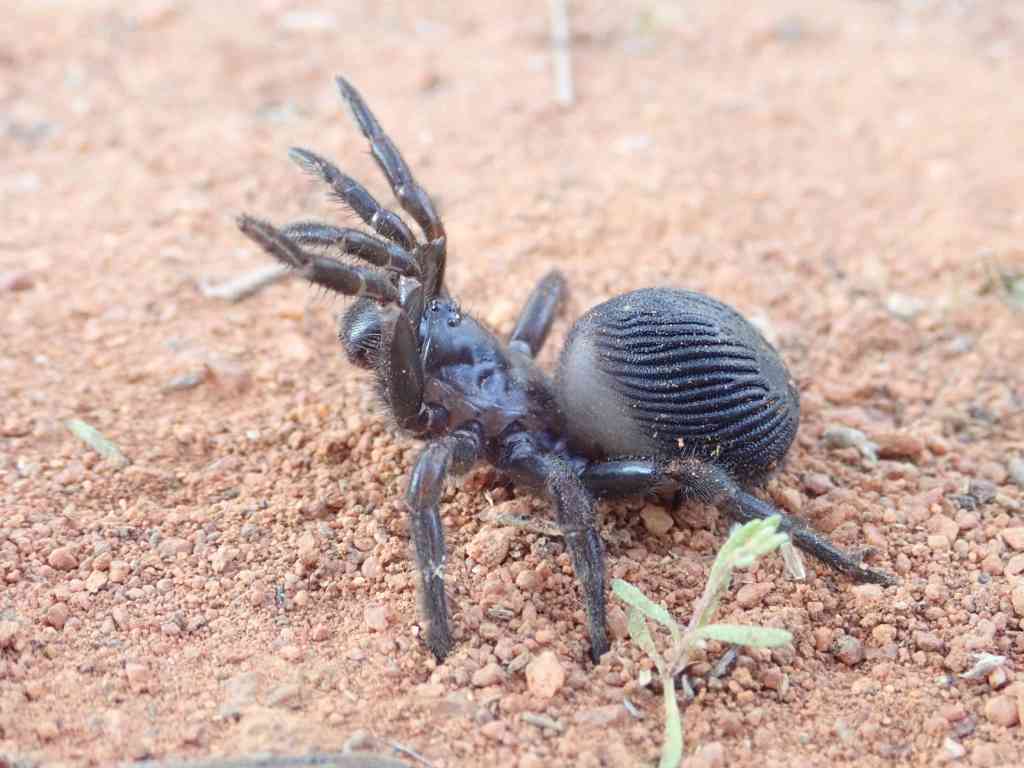
Beneath the soils of Western Australia’s Wheatbelt lies a hidden world of trapdoor spiders, remarkable for their intricate burrows and extraordinary diversity. The pioneering work of Barbara York Main brought these spiders into focus and revealed the connections between burrow architecture, natural history, and habitat preferences.
Jeremy Wilson, Curator of Arachnids and Myriapods at the Western Australian Museum, works with the state’s collection, which includes Barbara’s invaluable assemblage of Wheatbelt trapdoor spider specimens that were collected over more than 50 years.
In this talk, Jeremy will introduce the key groups of trapdoor spiders in the wheatbelt, and show how their burrow entrances can be used for identification. He will also share insights from ongoing taxonomic research that is uncovering staggering levels of hidden diversity, and discuss what this means for the conservation of Barbara’s beloved Wheatbelt trapdoor spiders.
Dr Kim Feddema
Interactive Workshop

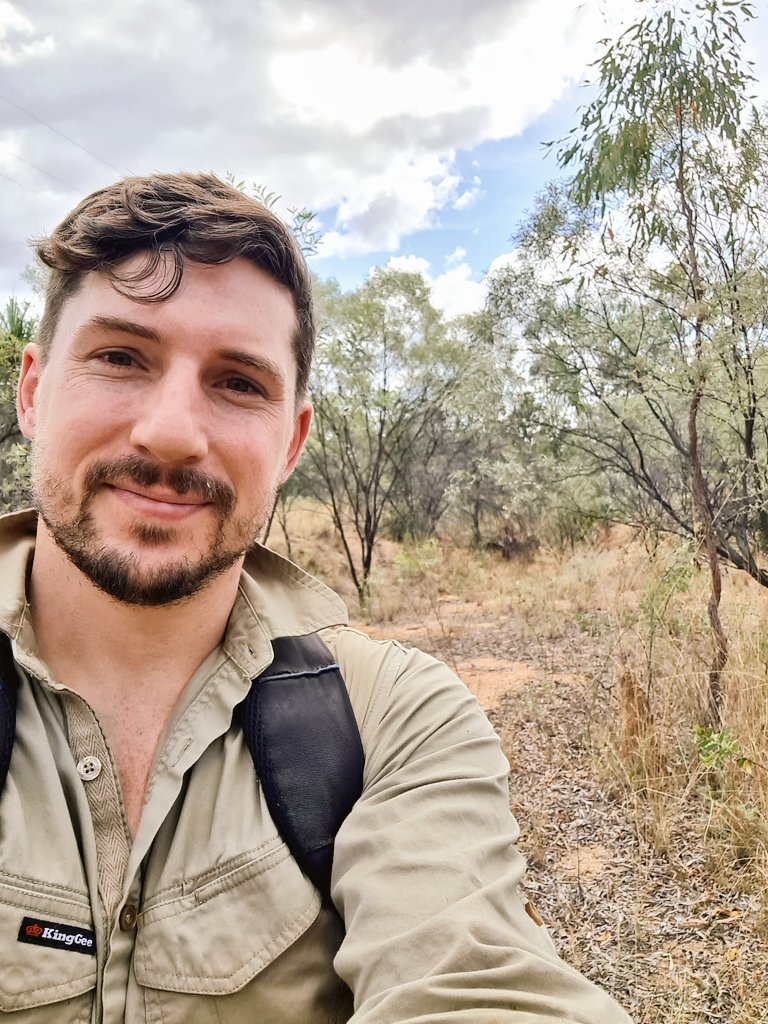
Dr Kim Feddema is an anthrozoologist and social marketer that specialises on human-wildlife interactions. She uses theories and methods from a variety of different disciplines to explore how people from different cultural backgrounds place “value” on to animals in different contexts, such as native species in the wild, in the home, in agriculture or as invasive species.
Dr Kim Feddema will run an interactive workshop exploring how spiders are perceived, drawing on multiple perspectives of spiders’ roles in nature and in our day-to-day lives. She will use historical examples of spiders as symbols, myths, stories and media representations from around the globe to show how different representations impact how we interact with spiders and protect species from extinction.
Loxley Fedec
Nail Polish Kid: Polish with Purpose

How can a grass roots Joe Bloggs citizen make a meaningful contribution to conservation? It’s called Citizen Science – You don’t have to be a scientist and you don’t have to belong to a formal group. You just have to be curious enough to see and share what you see.
I guess I was a bit of a scrubber as a kid. I actually grew up not that far from Tammin at a place just 40km north, called Elashgin, between Yorkrakine and Korrelocking. Like many others, I was always interested in the natural world and always wanted to know more. So where did ‘Nail Polish Kid’ come from? No, nothing to do with Nitrogen Phosphorus and Potassium!
Back in the day and living on a farm long before computer screens, we needed to occupy ourselves with whatever was around. For me that was collecting and tracking Bobtail lizards – Teliqua rugosa rugosa. Of course I needed to be able to identify ’my’ Bobbies so I painted my initials on their noses with nail polish-as you do! The intention was to see where they went and to hopefully recapture one some time into the future. Polish with Purpose! I can’t claim it was a very successful tracking method but it did give rise to my nickname NPK- Nail Polish Kid – and my journey into Cutizen Science. 60 odd years on, Nail polish is actually used today as a means of tracking so it wasn’t such a crazy idea after all.
Charlie Bain
The watchers of Koi Kyenunu-ruff
High on Koi Kyenunu-ruff (The Stirling Range), tiny palisades of leaves and silk guard the doorways to another world. Beneath them in burrows live Cataxia, trapdoor spiders whose lineage stretches back hundreds of millions of years, to a time when the first dinosaurs walked the earth.
These quiet survivors have outlasted continents breaking apart, seas rising and retreating, mountains rising, and forests vanishing. Yet today, in the cool, shaded gullies of Koi Kyenunu-ruff, their greatest challenge comes not from time or the slow gears of plate tectonics, but the feverish haste of human industry: changing climate, hotter fires, and shrinking refuges.

In this talk, Karlene (Charlie) Bain shares the story of these watchers of Koi Kyenunu-ruff. From the deep past of Gondwana to the fragile present, discover how these spiders hold the memory of ancient worlds in their burrows, how their populations have changed in recent times, and why their future now depends on the choices we make.